
 Nidhi Thakur
 9.5 min


Spam score doesn’t get much attention until rankings start slipping. The reality is, search engines don’t just look at keywords and backlinks, they look for signals of trust. When those signals weaken, even good content can disappear from page one overnight.
A high spam score is one of those warning signs. It tells algorithms something doesn’t look right: maybe too many low-quality backlinks, maybe pages with thin content, maybe just a messy technical setup. Whatever the cause, the result is the same: search engines hesitate to give the site visibility.
That’s why learning how to reduce the spam score of a website matters. It’s not only about fixing errors in the background. It’s about keeping a business visible in crowded markets, protecting the work already invested in SEO, and making sure growth doesn’t stall because of avoidable red flags.
This guide looks at what spam score really is, why it matters more than most think, and the practical steps that can bring it down from quick wins to strategies that build authority for the long run.
Search engines hesitate when signals look risky. We audit, clean, and optimize your profile so your business thrives on trust and authority. Don’t let red flags cost growth.
Fix My SEO
First things first: spam score isn’t a penalty. It’s a metric Moz created to estimate how risky a site might look in the eyes of search engines.
Think of it like a smoke alarm. The alarm doesn’t mean the house is on fire, but it does mean something’s off and worth checking. A low score? Probably fine. A high score? Time to investigate.
So what triggers it? Usually a mix of things:
Here’s a quick example. Imagine two SaaS websites:
Even though the first has more links, its spam score will likely be higher. Why? Because quality beats quantity every single time.
That’s the essence of what is spam score in SEO it’s a risk signal. Ignore it, and the warning light only gets brighter.
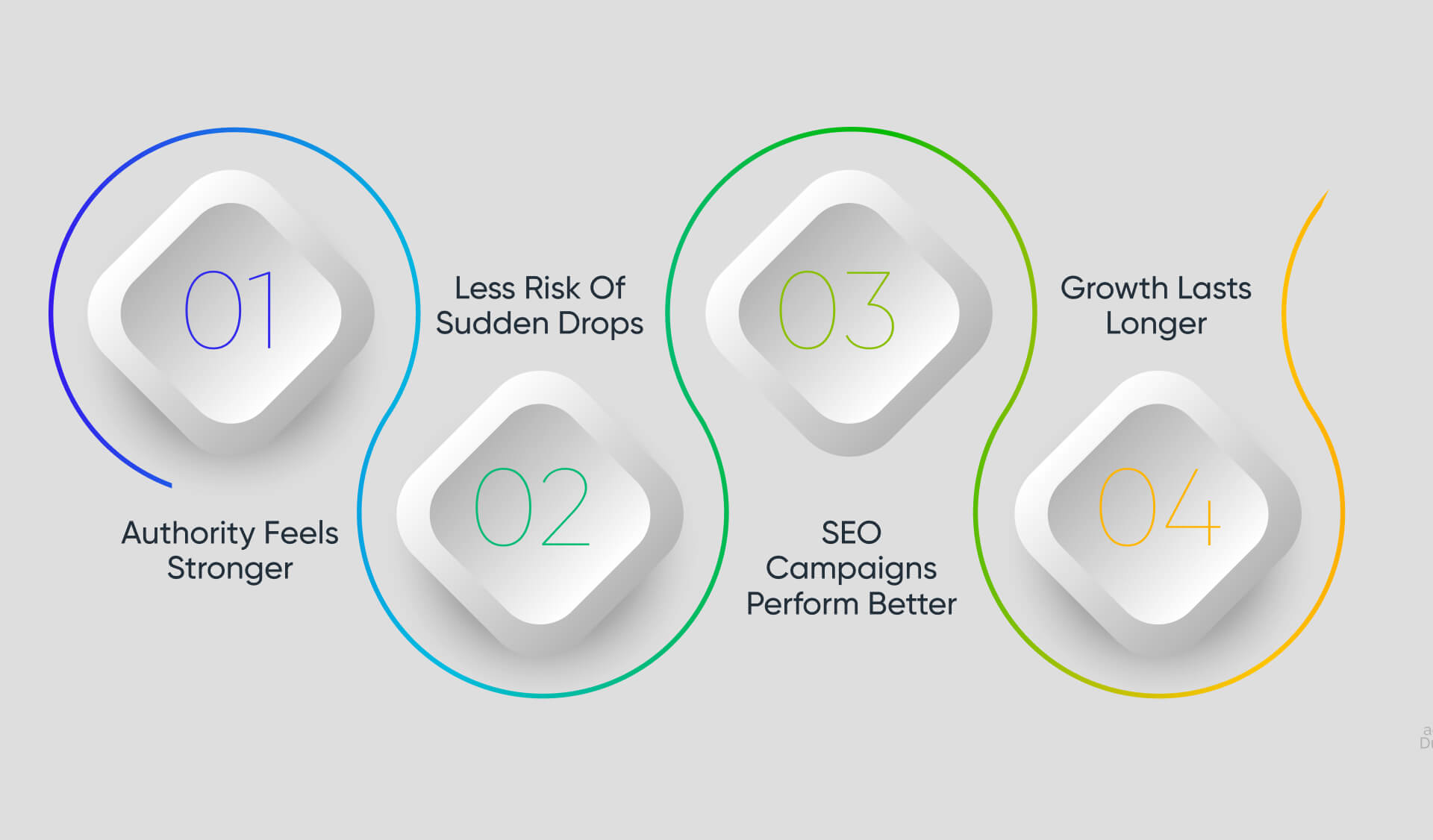
The truth is, search engines notice everything. In crowded markets, even small warning signs can push a site down the rankings. Spam score is one of those signals and when it creeps too high, it tells algorithms the site might not be trustworthy.
Here’s what happens when the score stays under control:
A site with fewer red flags tends to rank higher and attract more clicks. People also trust it more, even if they don’t consciously realize it.
High spam scores don’t always trigger penalties right away, but they leave the door open. One update can knock a site off page one overnight. Lowering the score is like building insurance against that.
Whether it’s a local SEO agency working on maps rankings, an organic SEO company focused on authority, or an offshore SEO company pushing global reach, every strategy lands harder when the site itself looks clean.
It’s easy to get a quick traffic spike, but if the foundation is weak, it won’t hold. Lower spam scores give stability, so the gains from SEO don’t vanish after a single algorithm tweak.
That’s why learning how to reduce spam score of website matters. It’s not just housekeeping. It’s about keeping visibility steady enough for growth to compound.
Reducing spam score isn’t guesswork—it’s strategy. From content depth to toxic link removal, we apply proven methods that keep rankings strong and sustainable. Secure your digital credibility today.
Start My Audit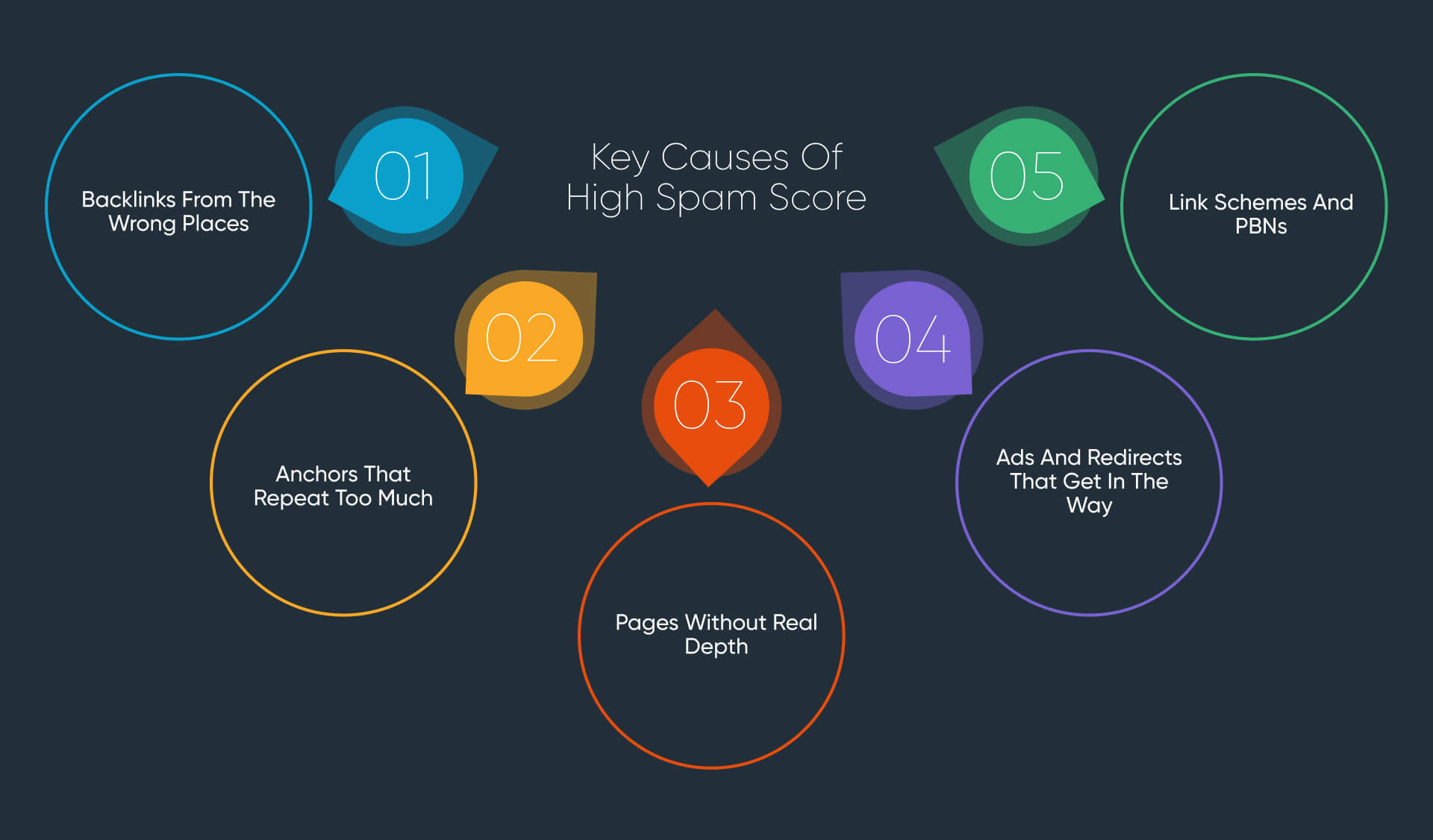
Spam score usually doesn’t climb for no reason. It comes from patterns that make a site look suspicious, even if the intent wasn’t bad. Here are some of the common ones:
One strong link from a relevant industry blog helps. But 200 links from random directories or sites that have nothing to do with the business? That looks manipulative. Search engines can spot it quickly.
When every backlink says the same thing, it feels forced. For example, if all links point with “best CRM software” and nothing else, it stops looking natural. A healthy profile usually has a mix branded names, plain URLs, generic phrases.
Thin blog posts, copied descriptions, or outdated resources don’t add value. Sites that pile on these kinds of pages often see their spam score climb.
Too many ads above the fold or pages that bounce people around with redirects send the wrong signals. It’s the same pattern seen in low-trust, spammy sites.
Buying links in bulk or joining networks built only for link swaps might work for a while, but eventually the footprint shows. That’s one of the fastest ways to raise a spam score.
Once that perception sets in, it’s hard to climb back.
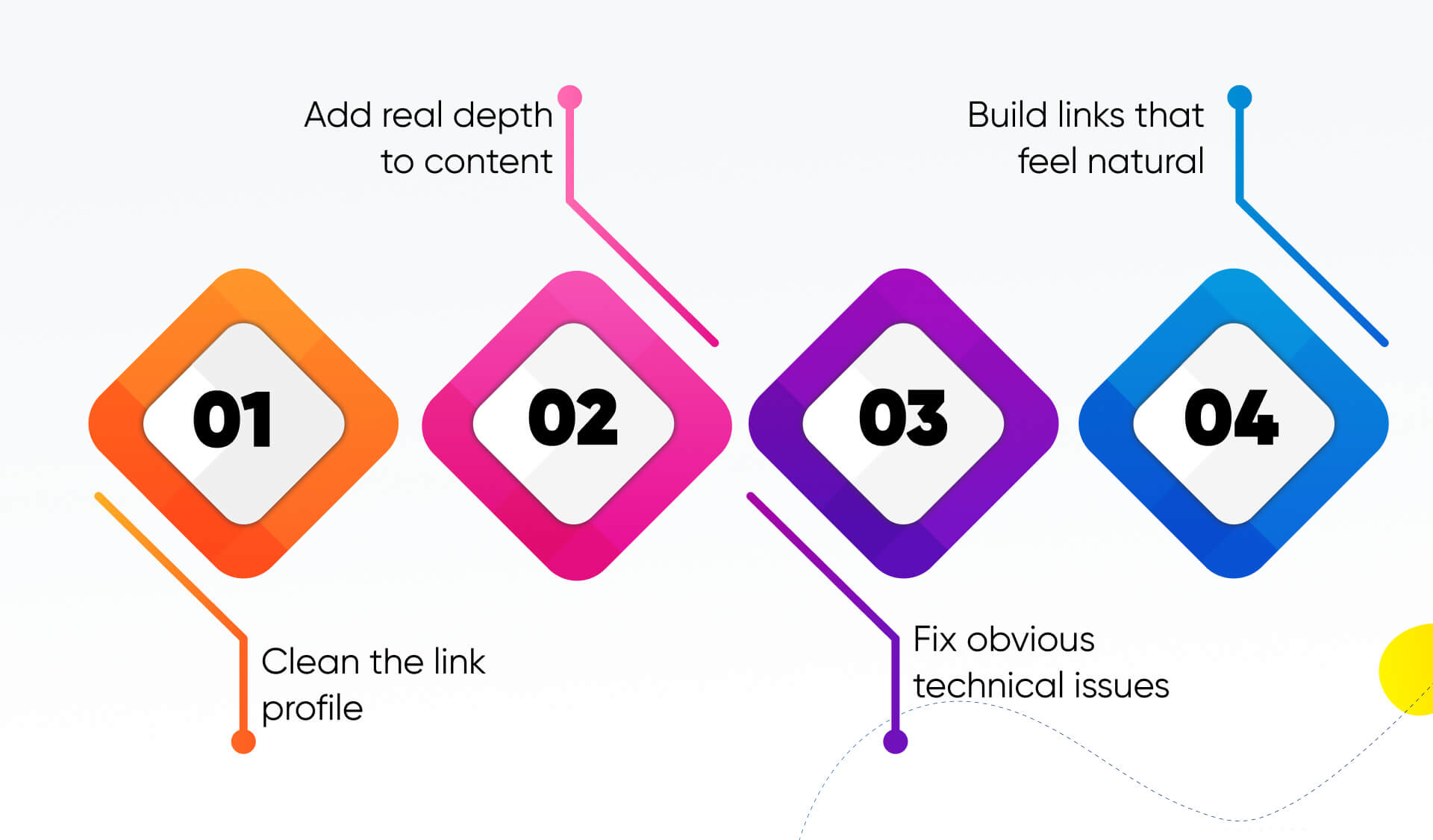
Spam score rarely drops from a single fix. It usually takes a mix of cleaning up what’s broken and making the site look more natural to both visitors and search engines. A few starting points:
Backlinks are often the biggest culprit. A SaaS site with hundreds of links from random business directories will almost always trigger warnings. Running an audit and disavowing those links makes an immediate difference. Replacing them with a handful of solid mentions from respected blogs or partners is even better.
Short, generic posts don’t build trust. For instance, a two-paragraph “What is CRM” article signals low value. Building clusters like a definition, a how-to guide, and a case study all tied together shows depth. Updating old posts works too; even small refreshes can reset how search engines treat a page.
Slow load times and broken links stand out fast. A page that takes 6 seconds to load feels spammy, even if it isn’t. Cleaning crawl errors and connecting orphan pages with internal links helps spread authority instead of letting good pages sit invisible.
One quality link from a SaaS review site can outweigh 100 junk links. Guest posts, industry mentions, or partnerships matter more than bulk submissions. On the flip side, automated link swaps and “link farms” almost always do damage they might work for a few weeks, then the score climbs right back up.
These aren’t silver bullets, but they’re the kind of quick moves that shift the score in the right direction and buy time while longer-term SEO work takes shape.
Not all links help—many hurt. Our experts remove harmful connections, build authority links, and reduce spam scores systematically to keep SEO campaigns on stable ground.
Clean My Backlinks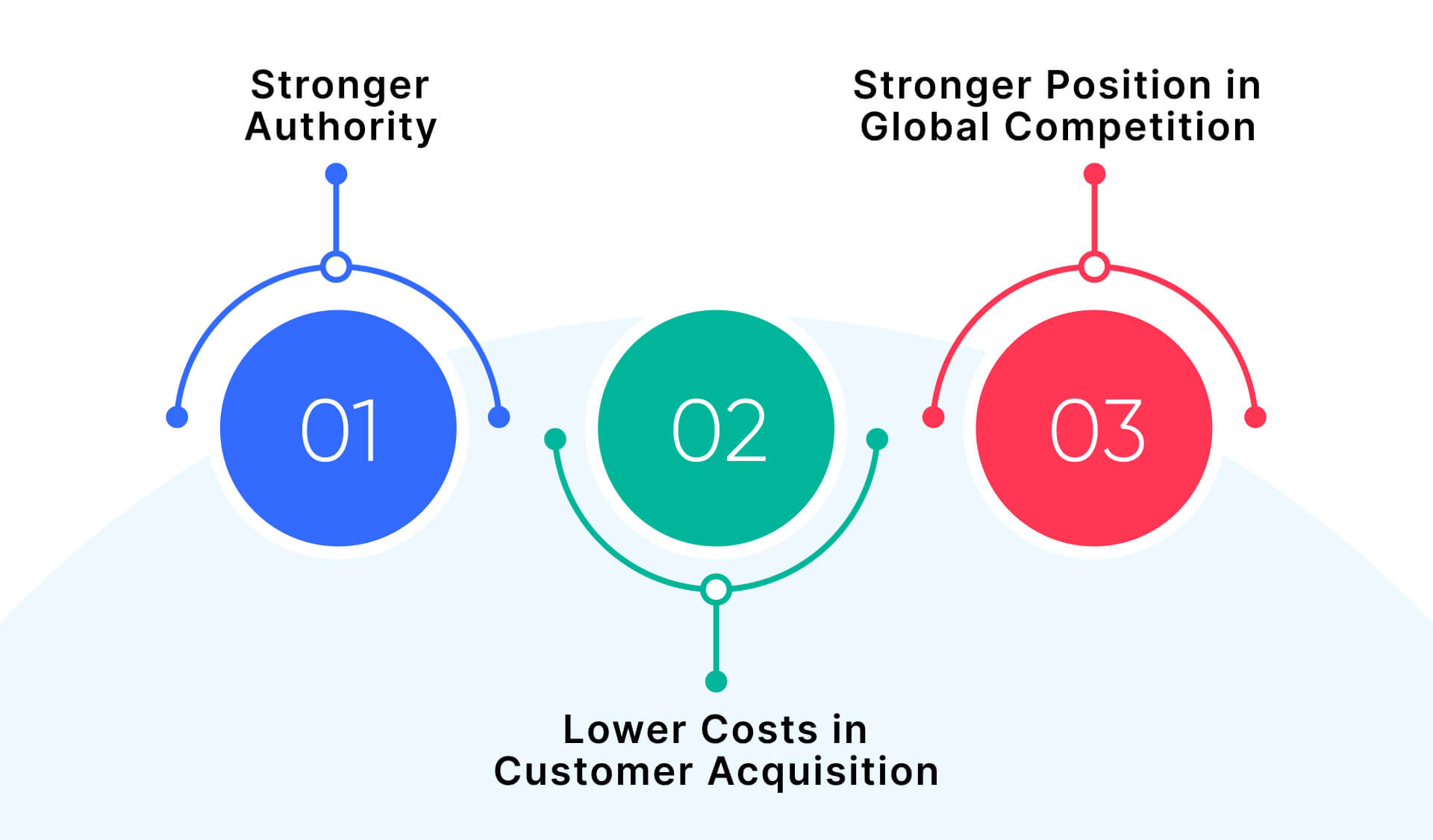
Reducing spam score is more than a defensive move. It’s the difference between building a fragile online presence and building one that compounds value over time. When the score stays low, businesses see a ripple effect across multiple areas of digital growth:
Search engines reward trust. A website with fewer red flags is easier to rank, and over time, it becomes seen as a credible source within its industry. For example, a clean profile helps a SaaS company dominate intent-driven searches like “best billing software for startups” instead of fighting for scraps with less-trusted competitors.
Paid ads can drive quick wins, but they drain budgets. Organic visibility, once established, keeps traffic flowing without the constant spend. Lower spam scores directly support this by making it easier for content to rank which in turn cuts acquisition costs and keeps campaigns sustainable.
Competing against bigger players in international markets is tough. A high spam score makes it almost impossible. A cleaner signal gives smaller or mid-sized companies the chance to rank side by side with larger brands. It levels the field whether the goal is visibility in local searches or international reach.
The key isn’t just understanding what is spam score in SEO but acting on it repeatedly. Regular audits, content clean-ups, and smart link strategies create a long-term advantage. Over time, the business isn’t just reducing risk it’s building authority that competitors will struggle to match.
At Edifying Voyages, spam score reduction isn’t treated as a side task it’s built into the overall SEO framework. The team blends technical expertise with industry knowledge to keep websites credible in the eyes of search engines.
Services include:
Acting as a Local SEO agency, an Organic SEO company, and a trusted offshore SEO company, Edifying Voyages ensures businesses remain visible across multiple markets without carrying the weight of risky signals.
A cleaner spam score builds long-term authority. Our tailored audits, AI-driven monitoring, and industry-backed outreach restore trust. The earlier you act, the faster you recover visibility.
Request a Free Review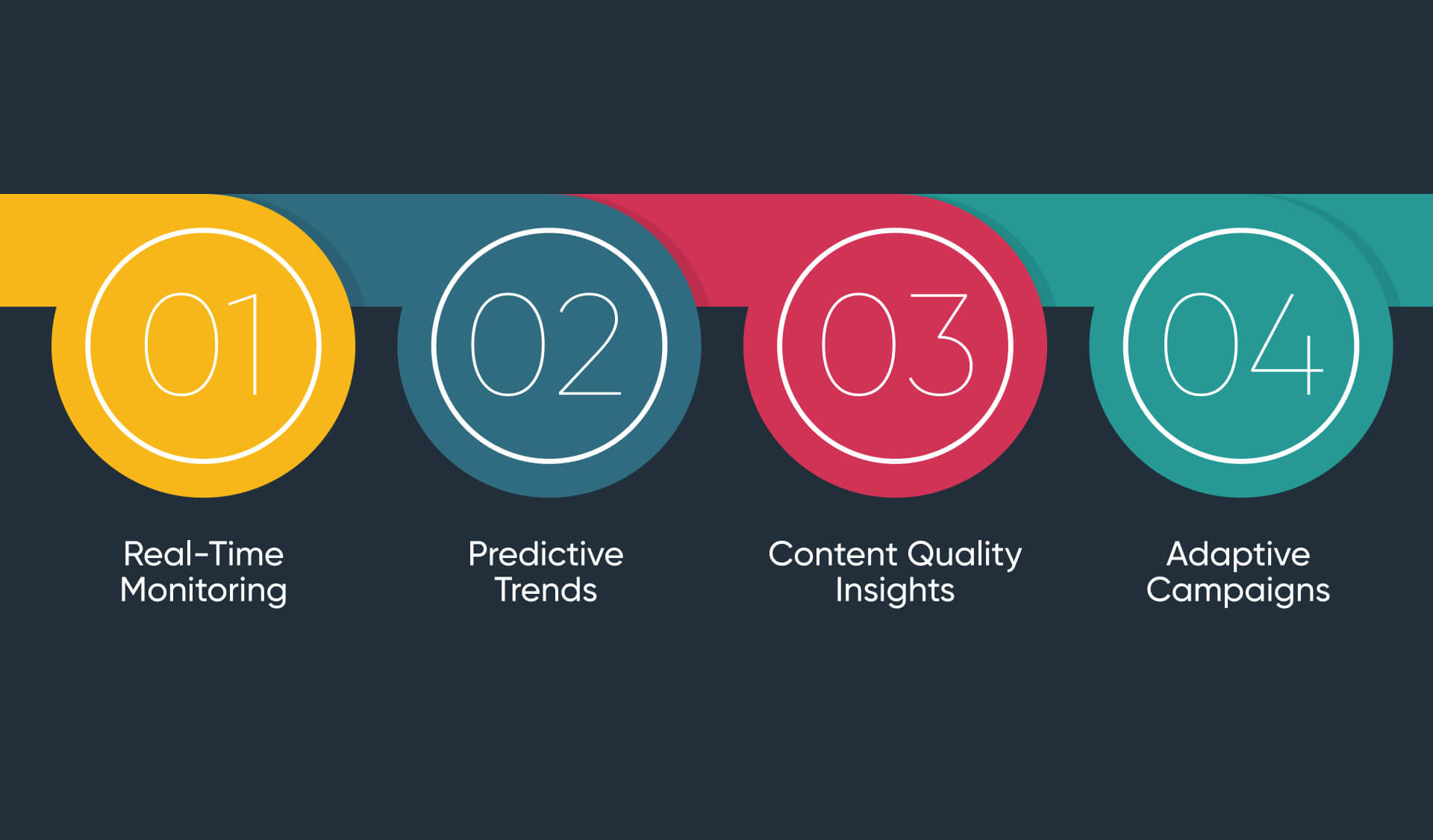
AI is not a buzzword here it’s part of the workflow. Edifying Voyages uses AI tools to make smarter, faster decisions about SEO and spam score management.
This combination of human strategy and AI-driven insight makes spam score reduction and overall SEO far more effective.
Reducing spam score is about more than avoiding penalties. It’s about showing search engines that a brand deserves visibility. The process takes discipline backlink audits, technical clean-ups, content updates but the reward is lasting trust.
With Edifying Voyages as a partner, businesses gain the advantage of proven expertise and AI-backed strategies. Whether through Local SEO, organic optimization, or offshore campaigns, the focus stays the same: sustainable visibility.
Mastering how to reduce spam score of website is mastering digital credibility and in today’s market, that credibility is everything.
At least once a month. Regular checks help identify risky patterns early and prevent long-term SEO damage.
No. Spam score is a predictive metric, while penalties are direct actions by Google. A high score increases the risk of penalties but isn’t one itself.
Indirectly. A high spam score can erode trust, making it harder to build domain authority and rank competitively.
Yes. With regular audits, clean link building, and strong content, websites can achieve and maintain a 0% spam score.