 Nidhi Thakur
 7 min
7 min


Key Takeaways
In the oil and gas business, reputation used to spread through boardrooms, industry conferences, and deals made with a handshake. It goes through search engines now.
When a procurement head in Houston looks for a partner to help them keep an eye on their pipeline or an operations director in Aberdeen looks for a vendor to help them automate their drilling, they rarely start their decision-making process with a cold call. It starts with a question. You are completely invisible if your business is not visible at that time.
That is the hard truth that many traditional players are still having trouble with.
Digital marketing for oil and gas industry is no longer about social posts or surface-level branding. It is about positioning technical expertise where serious buyers are actively researching. It is about ensuring your engineering depth, safety standards, compliance credentials, and project portfolio are discoverable before your competitors even know a bid is forming.
I've looked at enough industrial websites to recognize the pattern. Great businesses. Digital presence that is outdated. No visibility in search. And then the same question: why aren't we getting good leads?
Because in today's B2B world, credibility starts online.
The oil and gas sector operates in long sales cycles, high-value contracts, and risk-sensitive environments.
Buyers compare certifications, evaluate case studies, review safety records, and study technical whitepapers before they ever speak to a sales team. Without a structured digital presence, even the most capable firms lose ground to competitors who simply show up first.
Digital marketing for oil and gas industry ensures that:
An experienced oil and gas marketing agency understands the nuance. This is not consumer marketing. It is precision B2B positioning for engineers, consultants, EPC contractors, and procurement leaders.
In a sector defined by scale and complexity, silence online is expensive. Visibility, when done correctly, becomes leverage.
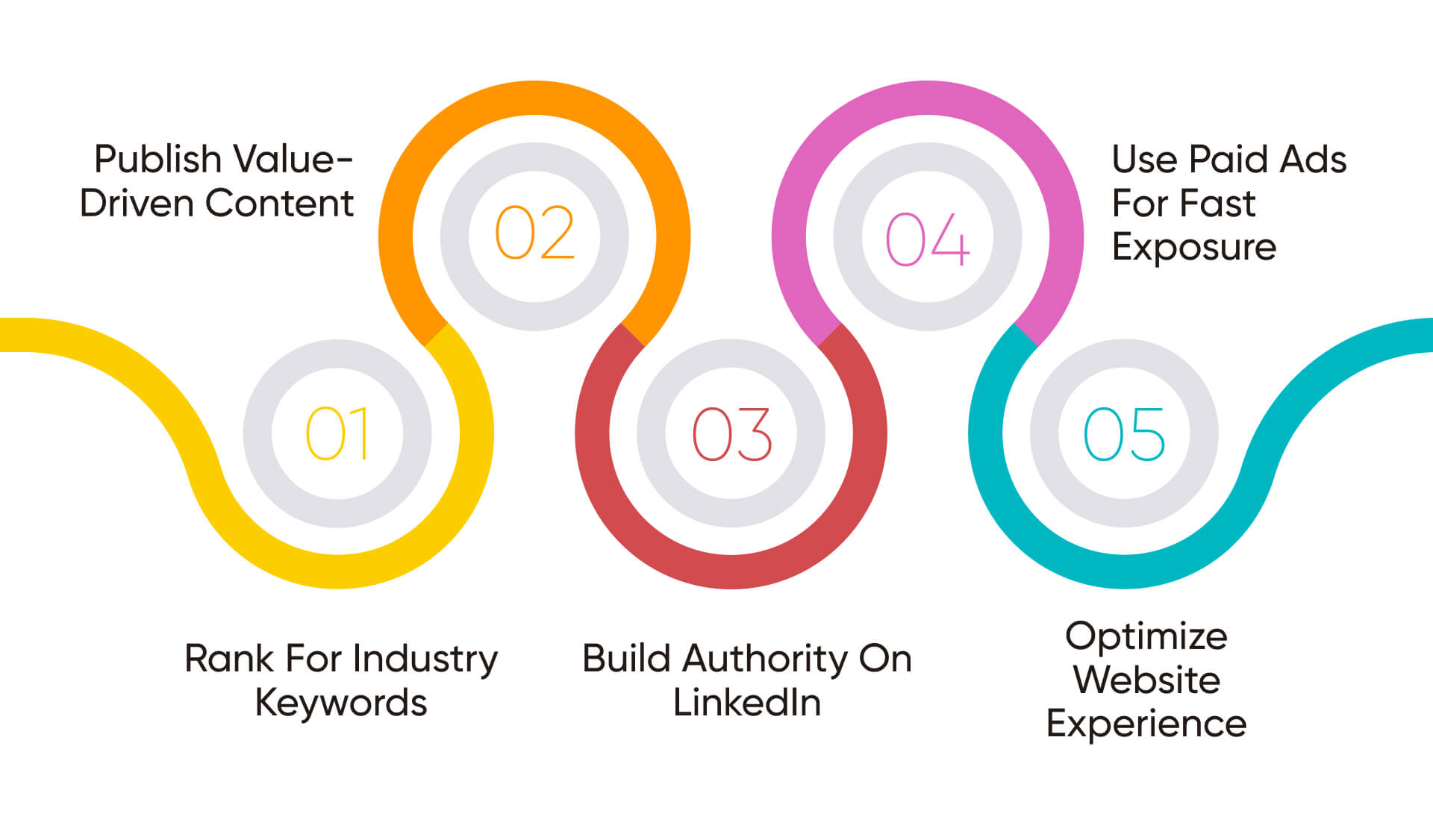
Visibility in this industry is not about noise. It is about being present at the exact moment a decision-maker starts researching a solution. That requires strategy, technical precision, and an understanding of how industrial buyers search.
Target highly specific phrases, such as pipeline integrity management services or offshore drilling automation systems, rather than broad vanity terms. Technical SEO, structured pages, and intent-focused content ensure your company appears when serious buyers are looking for specialized solutions.
Create white papers, compliance guides, and operational case studies that address risk reduction, efficiency gains, and regulatory compliance. Decision-makers pay attention to insights that help with operational issues, not to general marketing materials.
Engineers, consultants, and procurement leaders actively use LinkedIn to vet vendors. Consistent thought leadership, project highlights, and executive commentary position your brand as credible before conversations even begin.
Strategic Google Ads and LinkedIn campaigns can put your services right in front of EPC contractors and plant managers who need them right now. Paid campaigns that are done right increase visibility without wasting money.
A website that is technically sound, speedy, mobile-friendly, and has clear service pages and proof of performance inspires trust right away. In industrial B2B, a weak website silently damages credibility.
Position your oil and gas services in front of decision-makers actively searching for specialized partners and high-value solutions.
Get Started
Visibility is only the first step. The real objective is predictable lead flow from qualified decision-makers, not random inquiries.
Search traffic from queries such as "refinery automation contractor" or "gas pipeline inspection services" signals immediate intent. Digital marketing for oil and gas industry turns those searches into structured landing pages that convert research into inquiries.
Technical publications, case studies, and safety documents show that you know what you're doing. When customers see proof of performance, they trust the sales team before they even talk to them.
LinkedIn allows targeting by job title, company size, and industry segment. An experienced oil and gas marketing agency uses this to reach operations directors, procurement managers, and C-level executives directly.
While SEO builds long-term authority, paid campaigns generate immediate pipeline activity. Targeted ad groups around high-value services attract prospects who are already evaluating vendors.
Automated follow-ups, gated content downloads, and lead scoring systems nurture long sales cycles. Instead of losing prospects after the first interaction, structured workflows guide them toward formal proposals.
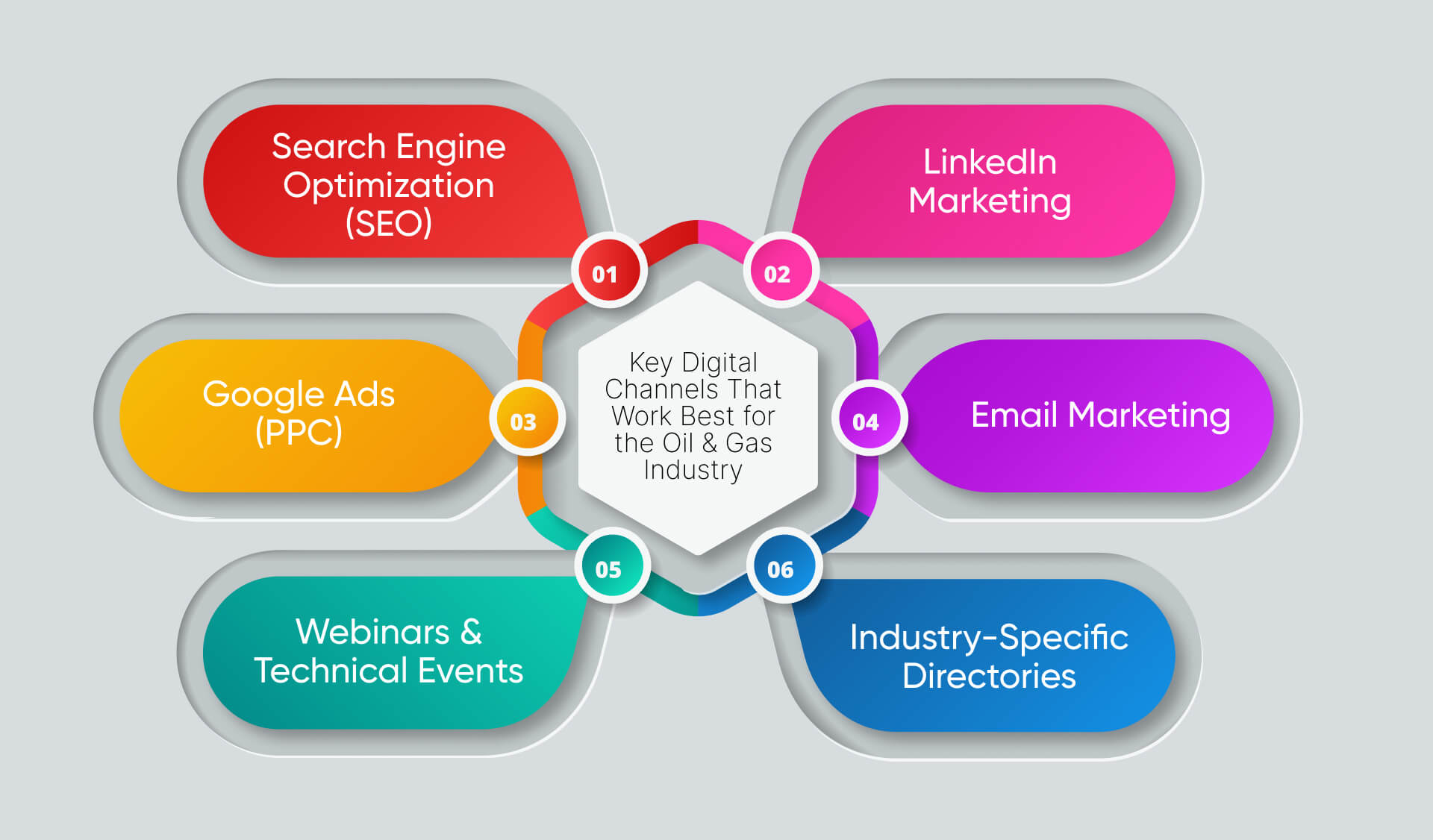
Not every platform delivers results in the oil and gas industry. Focus matters along with knowledge and industry experience.
Organic SEO builds long-term authority by ranking service pages, blog posts, and industry insights that decision-makers search for. Edifying Voyages delivers organic SEO services tailored for heavy industries, helping them increase visibility, attract leads, and build long-term authority.
LinkedIn drives relationship-based visibility at scale, allowing leadership teams to influence industry conversations and stay top of mind with buyers.
PPC delivers immediate placement for high-value keywords, making it essential during tenders, expansion phases, or new market entry.
Targeted email campaigns keep prospects interested during long B2B evaluation procedures by sharing technical updates and nurturing them.
Hosting virtual technical sessions showcases expertise, addresses buyer concerns in real time, and attracts highly qualified industry participants.
Listings on verified oil and gas platforms improve credibility, strengthen backlink profiles, and increase discoverability within specialized procurement networks.
When executed strategically, digital marketing for oil and gas industry is not about chasing traffic. It is about engineering visibility in a sector where every lead can translate into long-term, high-value contracts.
Ensure your expertise appears exactly when engineers, EPC contractors, and procurement leaders begin researching solutions.
Schedule CallOil and gas is not a sector where generic campaigns survive. It demands precision, technical fluency, and a deep understanding of how industrial buyers think. Edifying Voyages operates with that reality in mind.
The team understands upstream, midstream, and downstream dynamics, compliance sensitivity, and long procurement cycles. This is not surface-level marketing. It is a strategic positioning tailored to engineering firms, EPC contractors, refinery operators, and global suppliers.
Search visibility, qualified lead flow, cost per acquisition, and pipeline velocity are all measurable performance measures that influence every choice. A disciplined framework makes sure that digital marketing for oil and gas industry leads to sales, not just vanity metrics.
Campaigns are engineered to reach decision-makers in specific regions such as Texas, Alberta, the North Sea, and the Middle East energy corridor. Targeting focuses on job roles, company size, and procurement influence to ensure marketing spend reaches those with buying authority.
Execution remains consistent across technical SEO audits, content strategy, LinkedIn ads, and conversion optimization. Edifying Voyages is an oil and gas marketing agency that specializes in aligning digital visibility with corporate growth goals.
The growth approach varies depending on whether it is aimed at helping local service providers or global energy companies. The digital infrastructure grows with demand in new areas without losing focus or efficiency.
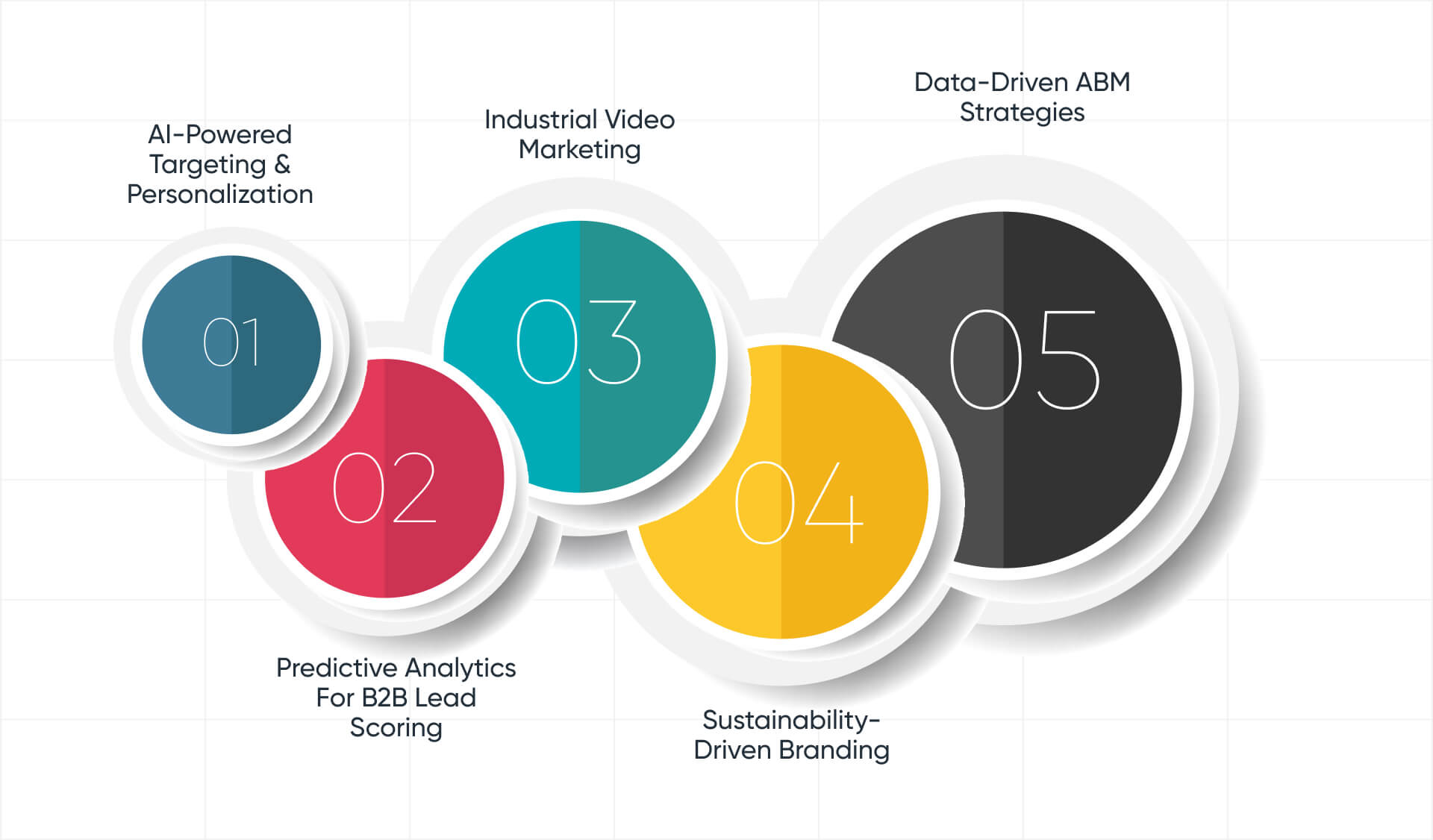
The next wave of growth will not come from louder marketing. It will come from smarter systems.
AI will refine audience segmentation, ensuring campaigns adapt dynamically based on user behavior, technical interests, and engagement patterns. Personalization will move beyond name insertion to solution-level relevance.
Advanced analytics will identify which prospects are most likely to convert based on historical interaction patterns. Sales teams will prioritize high-probability accounts instead of chasing cold inquiries.
Technical walkthroughs, safety demonstrations, and equipment case studies presented through professional video will become essential. Industrial buyers increasingly prefer visual proof over lengthy brochures.
With ESG mandates tightening across Europe, North America, and the Gulf region, companies demonstrating measurable sustainability efforts will gain a competitive edge. Messaging will shift toward compliance transparency and environmental accountability.
Account-based marketing will evolve into highly personalized, data-backed outreach strategies. Instead of broad campaigns, digital marketing for oil and gas industry will focus on targeted engagement with high-value enterprise accounts.
Capture high-intent search traffic and convert technical research into qualified business conversations and proposals.
Talk to ExpertsCompanies in the oil and gas industry that don't consider digital visibility important will continue to lose to competitors who do. Strategic execution through a specialized oil and gas marketing company transforms search presence into measurable B2B pipeline growth.
The landscape has changed. Buyers are searching. The only question is whether they find you first.
Trade shows, newspaper ads, and referrals are all important parts of traditional marketing. Digital marketing is all about getting your business seen online, getting good search rankings, and running focused campaigns that reach decision-makers when they are looking for answers.
Most people who want to buy something now look up merchants online before getting in touch. A good online presence makes sure that your business is seen, trusted, and thought about during the early phases of buying.
Search demand suggests that businesses are actively looking for partners or suppliers. Getting high rankings for relevant industry phrases will help you reach potential customers when they first start looking to buy.
SEO improves visibility for high-intent service searches. It attracts qualified traffic from companies already looking for specific oil and gas solutions.
LinkedIn and other platforms like it allow you grow your authority, show off your skills, and interact directly with industry leaders and decision-makers.
AI-driven targeting, data-based lead scoring, and account-based marketing techniques will be the emphasis of the future in order to achieve more accurate and qualified B2B leads.